ServicesCollision Repair
Collision Repair in Chowchilla
After an accident, your car needs more than new panels. We repair the structure, the safety systems and the finish to the automaker's published procedures, put every step in a written estimate you approve, and show you photos of what we found before the work begins.
What collision repair covers
Collision repair is the work that brings your vehicle back after an impact, from a crumpled fender to a pushed-in quarter panel and the damage hidden behind it. Modern cars are built from high-strength steels, aluminum and adhesive-joined seams, and each has its own repair rules. Some panels can be straightened. Others must be replaced, and the automaker says exactly where to cut and how to join.
We follow those published repair procedures on every job and explain them in plain terms. California also requires a written estimate and your authorization before a shop starts work, and we treat that as the starting point. You see the repair plan on paper before anything changes on your car.
Drivers bring vehicles to us from Chowchilla, Madera, Merced and the towns around them. Some arrive drivable with cosmetic damage, others on a tow truck. Either way the process is the same: inspect, document, explain, then repair.
What the repair includes
- 01
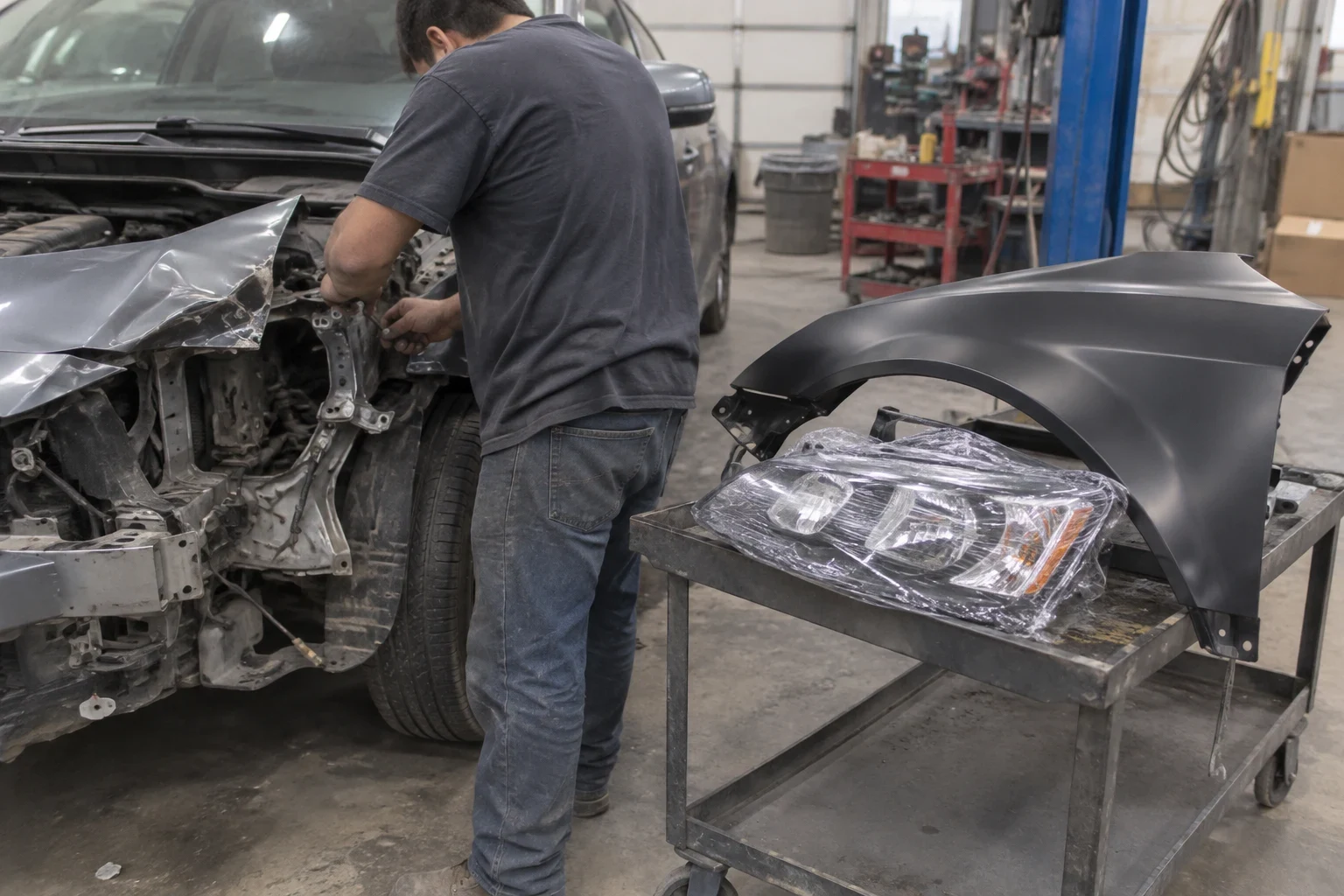
Teardown and damage mapping
We remove the damaged panels and trim to see what sits underneath. Brackets, sensors and inner structure often take damage that the outside does not show.
- 02
Structural measurement
We measure the body against the manufacturer's dimensions. If anything is out, the car goes to our Frame Straightening process before any panels go back on.
- 03
Panel repair or replacement
Each panel gets an honest repair-or-replace call based on the metal type and the automaker's guidance. Aluminum and some high-strength steels are not meant to be heated or reshaped, so we do not.
- 04
Safety system checks
Airbags, seat belt pretensioners and driver-assist sensors are checked after an impact. Cameras and radar mounted in bumpers or windshields may need calibration so lane and braking features read the road correctly.
- 05
Refinish and color match
Repaired areas are primed, painted and clear-coated, then blended into the surrounding panels. Our Paint and Refinishing page explains that work in more detail.
- 06
Final inspection and cleanup
Gaps, lights, doors and warning lamps are checked before you pick up your car. It goes back to you clean, with the photos from the repair.
Questions about Collision Repair?
Call(559) 900-3095Signs your car needs collision repair
Panel gaps that changed
If the space around a door, hood or trunk lid is wider on one side, something behind it has moved. That points to structural damage, not just a dent.
A warning light after impact
An airbag, brake assist or lane-keeping light that comes on after even a minor hit means a sensor or module needs attention.
Doors or trunk that stick
A door that needs a harder push to latch, or a trunk that will not seal, usually means the opening has shifted.
Pulling or uneven tire wear
If your vehicle drifts on a straight road after an accident, suspension or mounting points may be bent. We check this before quoting body work.
Cracked or loose bumper cover
Bumper covers hide energy absorbers and sensor brackets. Small cracks can sit over damage that matters; our Bumper Repair page covers the lighter cases.
How a collision repair moves through our shop
- 1
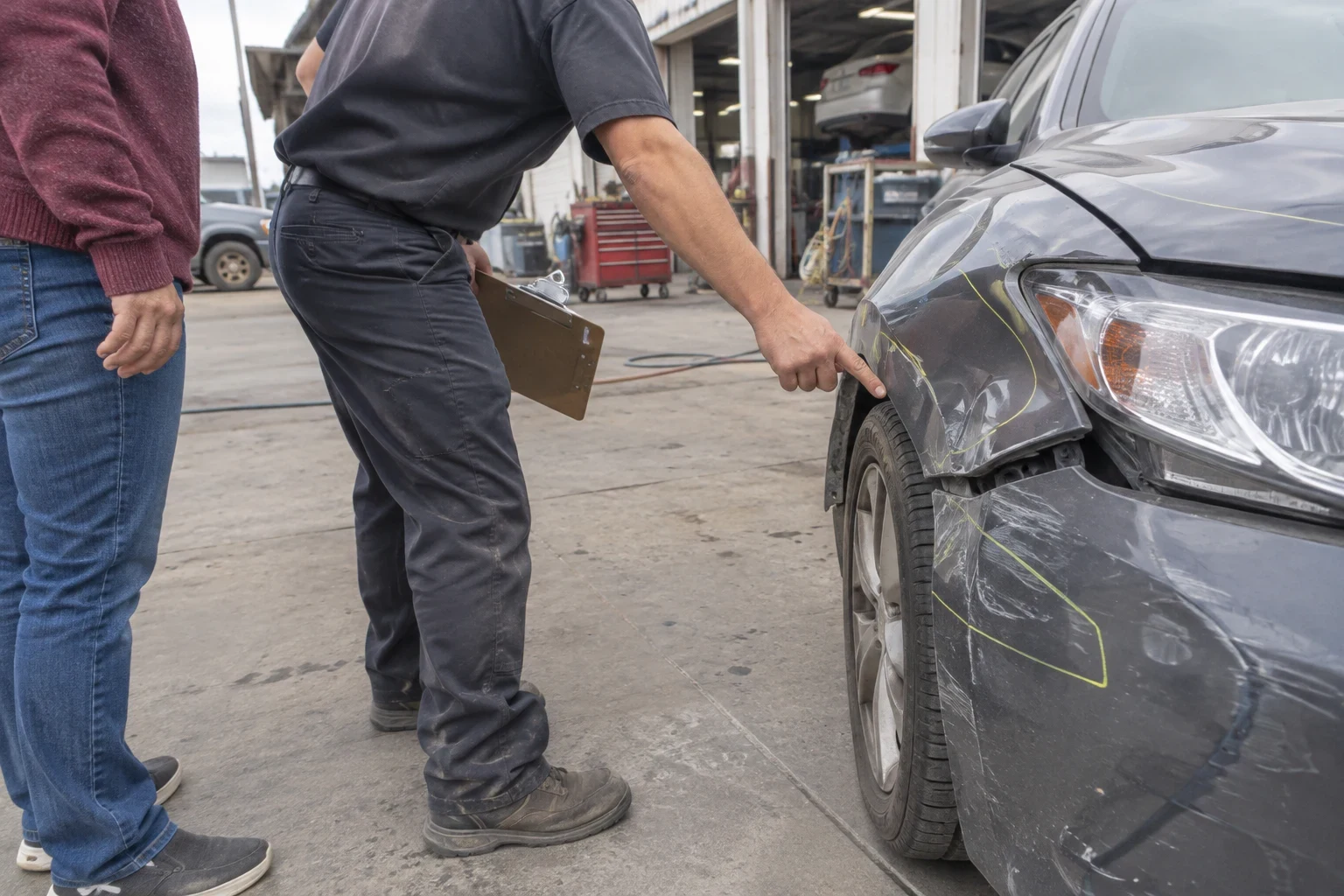
Inspection and photos
We look over your car with you, photograph the damage and note anything that needs a closer look once panels come off.
- 2
Written estimate and approval
You get a line-item estimate listing parts, labor and refinish. No work starts until you approve it. If teardown uncovers more, we show you photos and get your approval before adding anything.
- 3
Structure first, then panels
We measure and correct the structure, then fit and join panels the way the automaker specifies. Sensors and wiring go back in as each section is closed up.
- 4
Paint, calibration and checks
After refinishing, we handle any required safety system calibration and run a road test. Through the hot Central Valley summers we let finishes cure properly before the car leaves.
- 5
Pickup and walkthrough
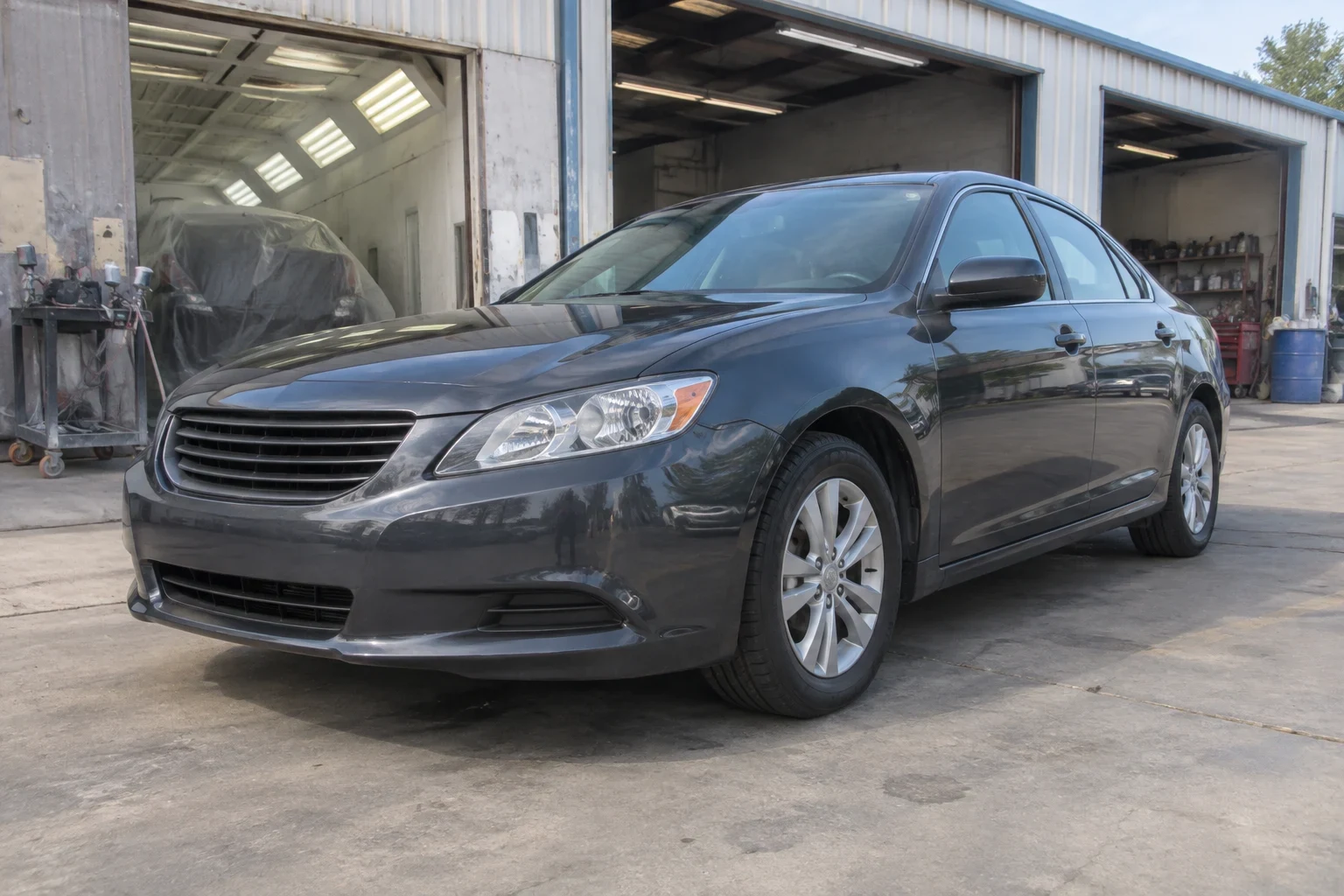
We walk you around the finished repair, explain what was done and hand over the documentation.
What affects the cost of collision repair
Two cars with similar-looking damage can need very different repairs. The price comes from what we find once the panels are off, which is why we write the estimate in detail and update it only with your approval. If an insurer is paying, the same estimate supports your claim.
- Hidden structural damage
- Bent rails, crush zones or mounting points add measuring and straightening time, and sometimes sectioned replacement parts.
- Materials and construction
- Aluminum and advanced high-strength steel need specific tools and joining methods, which affects labor and part choices.
- Parts availability
- New, used and aftermarket parts vary in cost and fit. We tell you which ones we plan to use and why.
- Safety system calibration
- Cars with cameras and radar often need calibration after a repair, and some require it whenever certain parts are replaced.
- Paint and blending
- Tri-coat and pearl colors take more steps to match, and blending into adjacent panels adds refinish time.
Collision repair questions
My insurer gave me a list of shops. Can I bring my car here instead?
Yes. California law lets you pick the repair shop yourself, and an insurer cannot require you to use one from its list. We work with your insurer on the estimate and any supplements, and our Insurance Claims page walks through how that usually goes.
Will you start work before I approve the price?
No. You approve a written estimate before any repair begins. If we find more damage during teardown, we stop, show you the photos and get your approval first.
Can a bent frame really be fixed?
Often, yes. We measure the structure against factory dimensions and pull it back within spec. Where the automaker calls for replacing a section instead, we follow that and explain why.
Why does my car need calibration after body work?
Driver-assist cameras and radar are aimed precisely. A replaced bumper, windshield or mounting bracket can shift that aim slightly, and the system may misread lanes or obstacles until it is recalibrated.
How long will the repair take?
It depends on the damage, parts availability and whether the insurer needs to review supplements. After the inspection and teardown we give you a realistic timeline and keep you updated if it changes.
Get a clear repair plan for your car
Bring your vehicle in and we will inspect it, photograph the damage and walk you through what the repair involves. You will know the plan before any work starts.