ServicesInsurance Claims
Insurance Claims Repair in Chowchilla
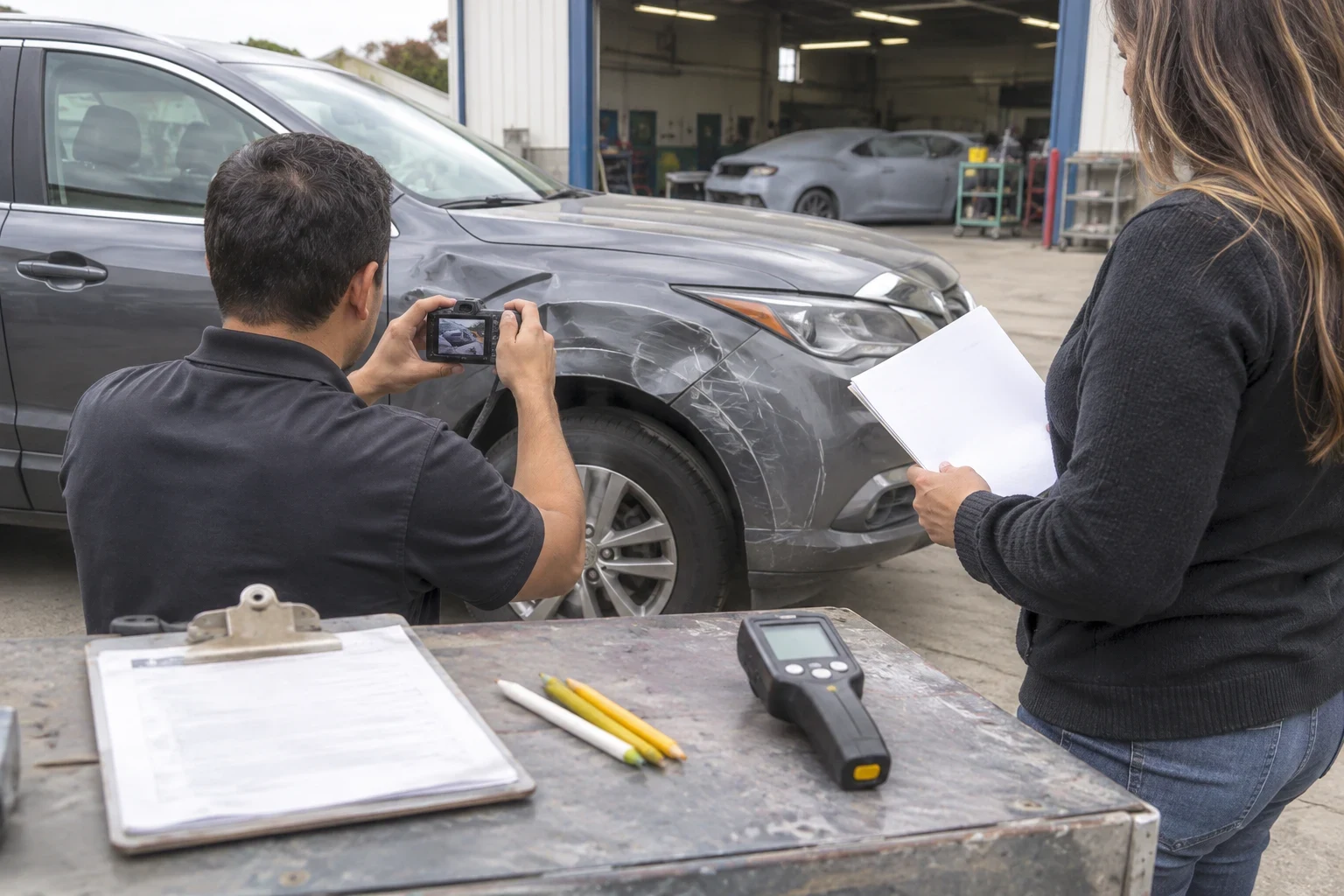
After an accident, the claim can feel harder than the repair. We document the damage, write a line-item estimate your adjuster can follow, and handle the back-and-forth on hidden damage, so your car is put right and you know where things stand.
How We Work With Your Insurance
A claim repair is regular collision work with one difference: your insurer reviews every step. They want the damage shown, the parts justified and the labor accounted for. We write the estimate with that reader in mind, putting each panel, part and operation on its own line and backing it with photos.
In California, the decision about where your car gets repaired belongs to you. An insurer can recommend a shop from its own network, but it cannot insist you go there. When you choose us, we deal with your adjuster directly. We are not the adjuster and we do not rule on coverage. What we do is show clearly what the repair requires, so the claim matches the real damage.
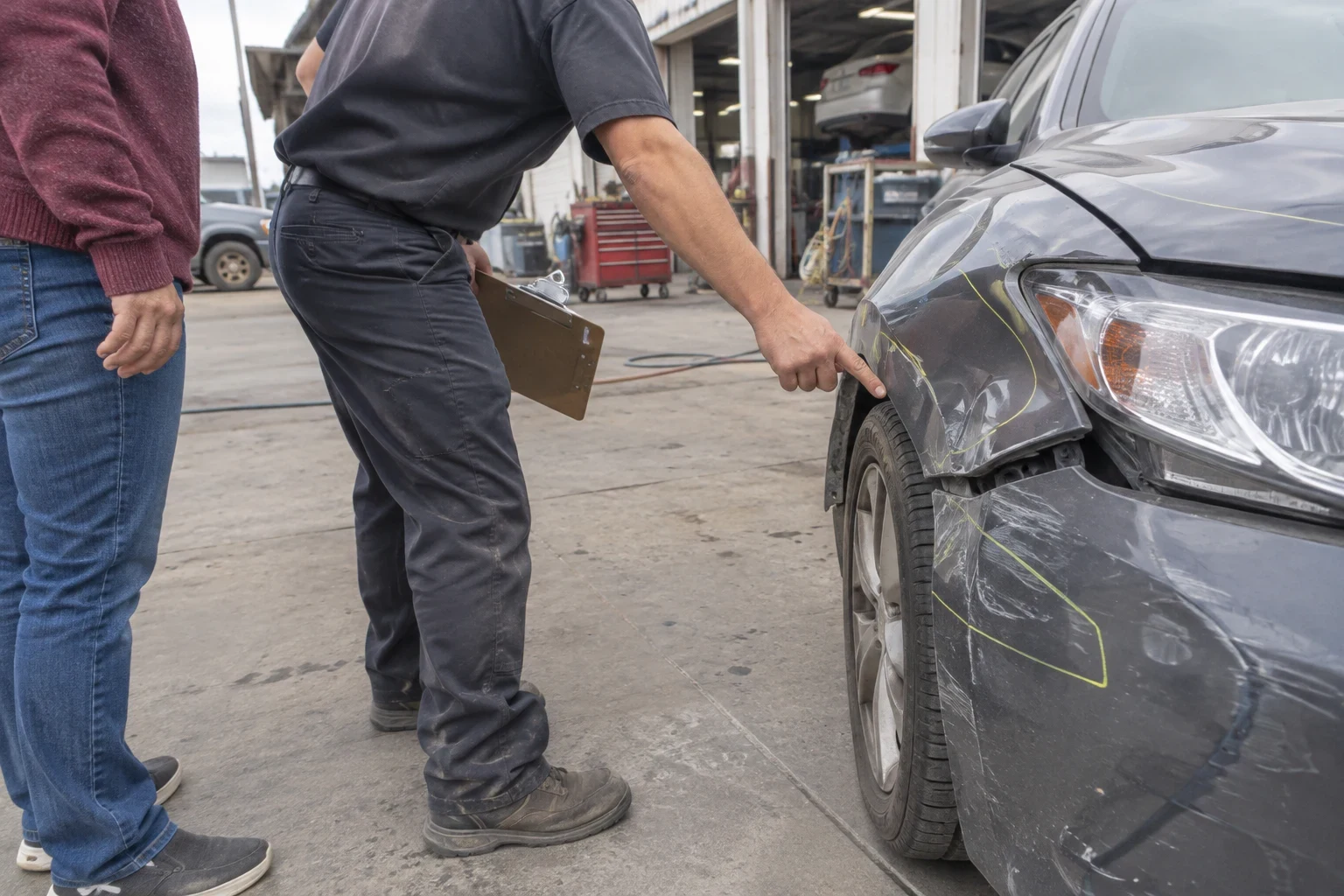
Most estimates grow once the car is taken apart. A bumper cover can hide crushed energy absorbers and bent brackets. A door skin can conceal a creased intrusion beam. When we find something like that, we pause, photograph it and send a supplement before the extra work begins.
What Claim Support Includes
- A written, line-item estimate
- Before any work begins, you receive a written estimate. Parts, labor hours, refinish time and materials each appear separately, so you and the adjuster can trace every figure.
- Photos at every stage
- Your car is photographed when it arrives, while it is apart and after the repair is finished. Those images back up the estimate and any supplement, and you are welcome to see them whenever you like.
- Supplements for hidden damage
- If teardown uncovers damage the first estimate could not show, we document it and send a supplement to your insurer. The added work waits until it is approved and we have called you to explain it.
- Plain answers on parts
- The estimate marks each part as new original-equipment, aftermarket or recycled. When your policy calls for non-original parts, we explain how that can affect fit and finish before you agree to anything.
- Work to factory procedures
- Structural repair, welding and refinishing follow the vehicle maker's published procedures. That protects safety systems, sensors and crumple zones, and it gives the adjuster a documented reason for each operation.
Signs Your Claim Needs a Closer Look
Your insurer suggested a shop
You were given a recommended shop and are unsure whether you must use it. You are not required to. The choice of repair shop is yours.
The adjuster's figure seems low
A fast photo estimate usually captures only the visible damage. If the amount feels small next to what you can see, a teardown inspection often explains the gap.
Warning lights since the impact
A parking sensor, lane camera or airbag light that appeared after the accident means the damage goes deeper than the paint. Those systems need testing and often recalibration.
Uneven gaps or sticking doors
Mismatched gaps around the hood or doors, or a door that shuts differently than before, can point to structural movement. It should be measured and included in the claim.
You are not sure where to start
Often the hardest part is knowing what comes first. Give us a call and we will explain the order of things before you commit to anything.
The Steps of a Claim Repair, Start to Finish
- 1
A first conversation by phone
Have your insurer's name and claim number nearby if you already have them. We go over how the repair and the claim will unfold, then set a time for you to drop off your vehicle.
- 2
Inspection and written estimate
We look the car over, photograph the damage and prepare the estimate. One copy goes to your insurer and another goes to you.
- 3
Teardown and supplements
After approval, damaged panels come off so we can see what lies beneath. Anything new is photographed and sent to the insurer as a supplement, and we keep you updated while they review it.
- 4
Repair and refinish
Structure, panels and paint are handled according to the manufacturer's procedures. We match the color and blend it into adjoining panels so the repair disappears in daylight.
- 5
Final checks and pickup
Panel gaps, lights, sensors and the finish are all checked before the car is cleaned. At pickup, we walk you through the completed work and the paperwork.
What Shapes the Cost of a Claim Repair
Your share of a covered repair usually comes down to your deductible, but the total claim depends on the damage and the parts your policy allows. We cannot tell you what your insurer will pay. We can show you what the repair requires and why.
- Hidden structural damage
- Damage behind the bumper or inside a door adds parts and labor. It is the most common reason a claim grows after teardown.
- Parts type
- Original-equipment, aftermarket and recycled parts differ in cost and sometimes in fit. Your policy language often decides which is used.
- Sensors and recalibration
- Cameras, radar and parking sensors in bumpers and windshields may need recalibration after a repair, which adds time to the claim.
- Paint and blending
- Matching a metallic or tri-coat color often means blending into the panels next to the repair. That adds refinish time and materials.
Common Questions About Claim Repairs
Something not covered here? (559) 900-3095
Is my insurer allowed to pick the body shop for me?
No. California law lets you decide who repairs your car. Your insurer may point you toward a shop in its network, but the choice stays with you. We work on vehicles from Chowchilla, Madera, Merced and the surrounding area.
Should I open the claim before calling you?
Either order is fine. If your insurer has already given you a claim number, keep it handy for the call. If you have not reported it yet, we can explain what the insurer will likely ask so you are ready.
What if more damage turns up partway through the repair?
We pause that part of the work, photograph what we found and send a supplement to your insurer. Nothing extra is started until the insurer has reviewed it and we have told you what it involves.
Will I see the same estimate my insurer sees?
Yes. You receive a copy of the written estimate we send, with each part and operation on its own line. If a line does not make sense, we will walk you through it until it does.
When do I pay my deductible, and to whom?
Your policy sets the deductible amount, and it is usually paid to the shop when you collect your car. The insurer covers the rest of the approved repair. If another driver caused the accident, their insurer may be responsible instead, and your adjuster can confirm how that applies.
Get Your Claim Moving the Right Way
Tell us what happened and who your insurer is. We will explain the next steps and set a time to look at your car.